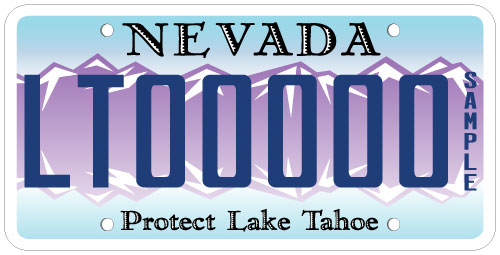
Lake Tahoe License Plate Program
Show your support for Lake Tahoe
As a Nevada Lake Tahoe License Plate owner, with an initial payment of $61 for the first year and $30 each continuing year, you can help fund projects that will preserve and restore the natural environment of the Lake Tahoe Basin. Of the DMV fees collected, $25 the first year and $20 each subsequent year go directly into a dedicated Lake Tahoe fund which is administered by the State Lands. Since the first license plates were sold in February 1998, the program has raised over $14 million through sales and annual renewal fees, funding 199 preservation and restoration projects in the Lake Tahoe Basin. Today, there are over 38,000 Lake Tahoe license plates on the road in Nevada.
Purchase a Nevada Lake Tahoe License Plate
The Nevada Lake Tahoe License Plate program generates approximately $800,000 on an annual basis to fund projects ranging from water quality initiatives and state park improvements, to research and monitoring studies, invasive species surveys and removal, and public education efforts.
Every Plate Counts! Nevada Lake Tahoe License Plate Information
Current Awarded Projects
The following are some of the environmental preservation and restoration projects the Nevada Division of State Lands is excited to announce that NV-LTLP proceeds will fund this year:
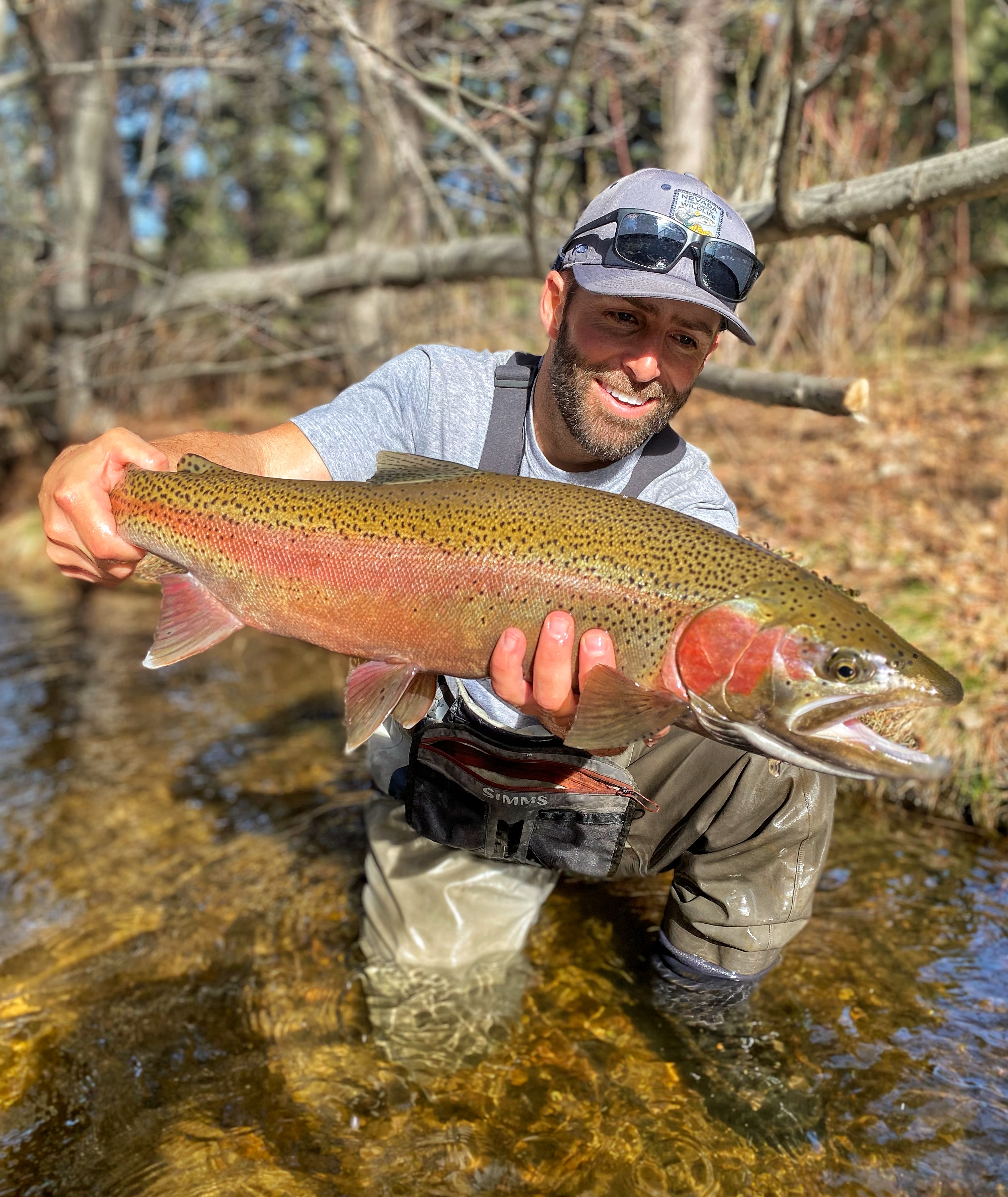
- Lahontan Cutthroat Trout Fish Management Structure: NV-LTLP funding will support the Nevada Department of Wildlife in building a permanent fish passage structure in Third Creek, Incline Village. This will enhance fish conservation efforts, including the restoration of the native and endangered Lahontan Cutthroat Trout, supporting sustainable fishing practices in the region, while fostering community engagement through educational outreach. Construction is currently slated for Summer 2026.
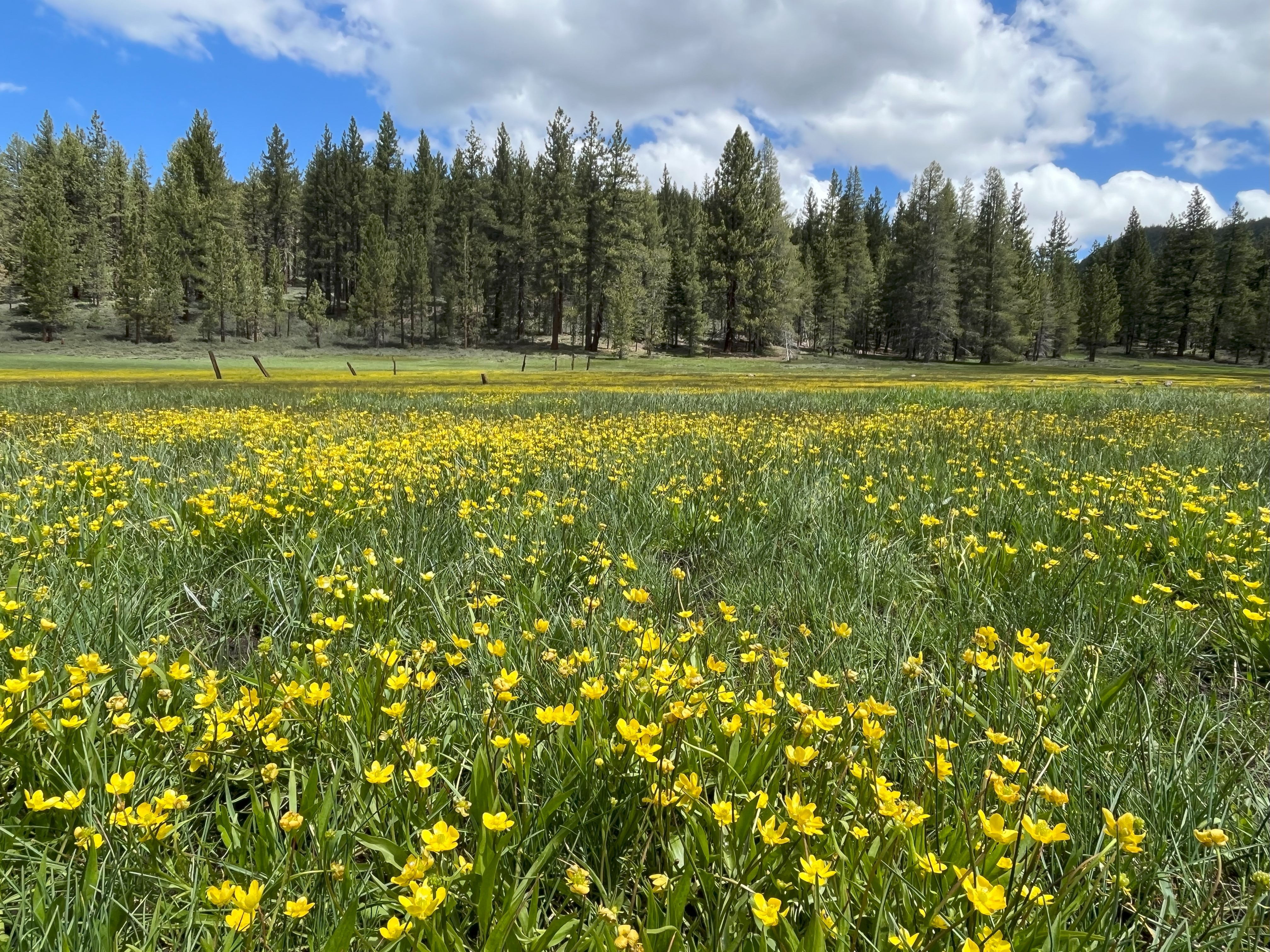
- Bourne Meadows Basin Biochar Effectiveness Project: NV-LTLP funding will allow the Tahoe Resource Conservation District and other partners to test the use of biochar - a charcoal-like material produced during forest fuels-reduction projects - as a filtration medium for a water quality project near Stateline, NV. This project will provide Lake Tahoe Basin jurisdictions innovative and effective options for water quality Best Management Practices moving forward. The first year of project monitoring begins in Summer 2026.
- Sand Harbor State Park Boat Dock Repair: The Nevada Division of State Parks will utilize NV-LTLP funding to design and install three new docks at the Sand Harbor State Park Boat Ramp. Construction will take place in Summer 2026.
- Lam Watah Boardwalk Project: NV-LTLP funding will support the National Forest Foundation in building an additional 800 feet of elevated boardwalk as part of the rerouting of Lam Watah Trail in Rabe Meadow near Stateline, NV. Trail rerouting will allow wetlands to flourish and improve the recreational experience for Lake Tahoe visitors. Construction will commence in Fall 2026.
- Spooner Lake State Park Backcountry Facilities: To address the growing numbers of recreational users, the Nevada Division of State Parks will use NV-LTLP funding to install modernized restroom facilities in the backcountry of Spooner Lake State Park. Installation of the new facility is scheduled for Summer 2026.
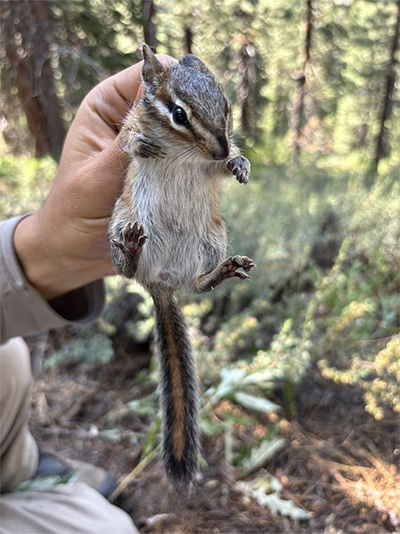
- Chipmunk Genetic Analysis and Land Management Implications: NV-LTLP funding will allow the University of Nevada, Reno, and the Nevada Department of Wildlife to analyze chipmunk DNA to better understand species distribution, habitat use, health status, and population density. This study will provide the first documented data on Allen's chipmunk and begins in Spring 2026.
NDSL is also pleased to announce it will be awarding $1,400,000 in Navigable Water Fees to fund an important park infrastructure project. The Cave Rock State Park Boating Access Enhancement Project will extend the current boat ramp further into the lake, allowing for both lanes of the ramp to be utilized year-round, as well as to accommodate boats up to 30 feet in length, thus enhancing the recreation access for boating visitors. This Nevada Division of State Parks project will also stabilize the shoreline, extend the existing rock jetty, and build a new ramp walkway for visitors. Construction is scheduled to begin in Summer 2026.
The Lake Tahoe License Plate program has funded projects in the following areas:
Aquatic Invasive Species Projects
- Logan Shoals Aquatic Invasive Plant Control: This implementation project by the Tahoe Resource Conservation District employed teams of divers to install bottom benthic barriers over two acres of aquatic invasive plants located at Logan Shoals, along the shoreline of Lake Tahoe near Glenbrook, NV. (2024) https://storymaps.arcgis.com/stories/f5644281006a40bc8786c080f3b2c225
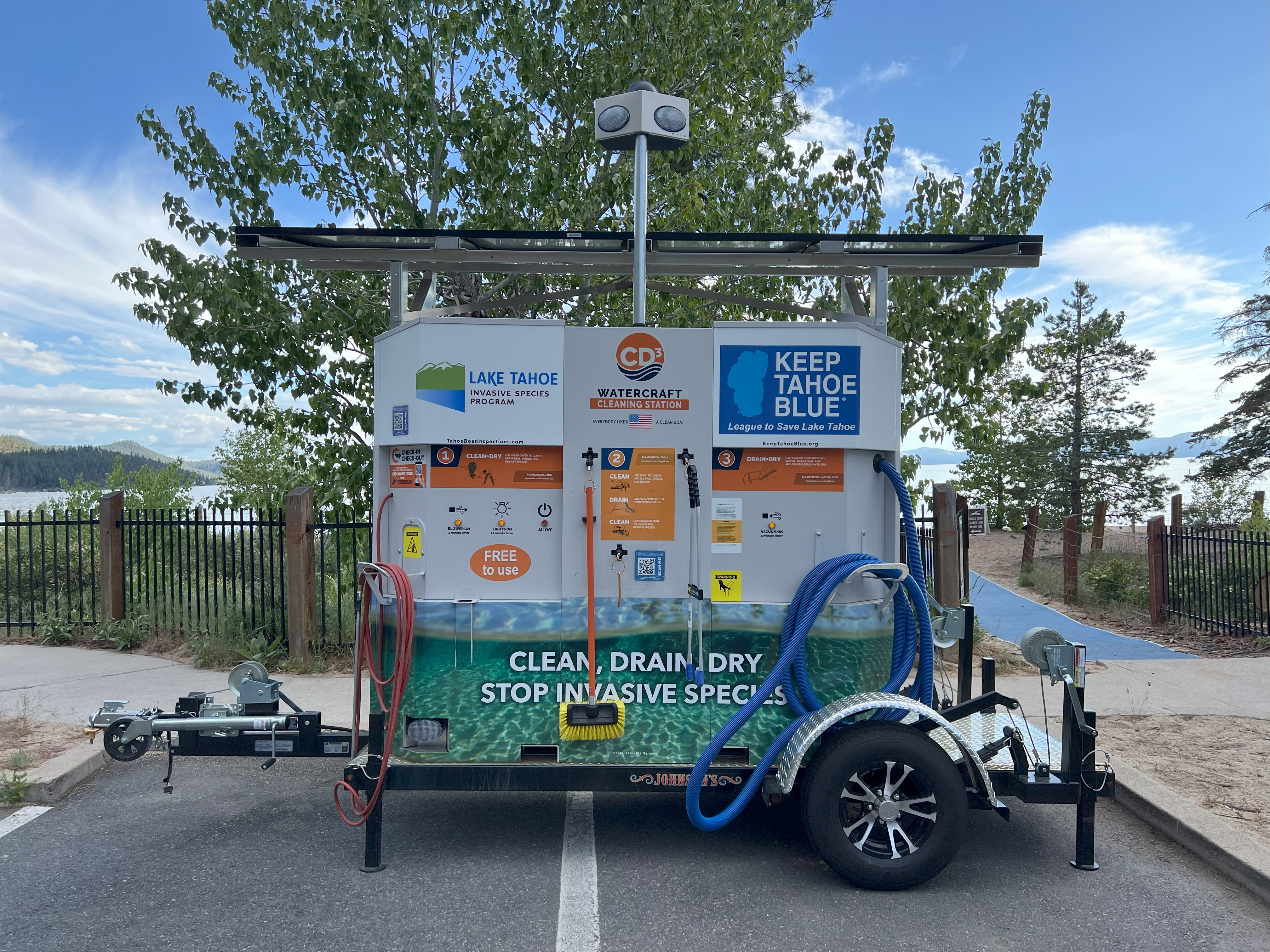
- Sand Harbor Portable Waterless AIS Prevention Machine: To combat the spread of Aquatic Invasive Species (AIS), NV-LTLP funding will help Tahoe Regional Planning Agency (TRPA) to purchase a user-operated vessel-cleaning machine and mobile trailer for use at Sand Harbor State Park. The CD3 machine is part of the effort by TRPA, the Tahoe Resource Conservation District, and park staff to educate users of non-motorized boating equipment, such as kayaks and standup paddleboards, in how to properly Clean, Drain, and Dry their recreational equipment to prevent the introduction and spread of AIS. The CD3 machine was installed in Sand Harbor in Summer 2025.
- Lake Tahoe East Shore Asian Clam and Metaphyton Delineation and Control: This research and monitoring project by the UC Davis Tahoe Environmental Research Center includes SCUBA and unmanned aerial vehicle surveys of five Nevada beaches (Incline Beach, Hidden Beach, Chimney Beach, Whale Beach, and Skunk Harbor) to quantify the extent of Asian clams and associated metaphyton. The researchers will conduct lake pilot studies designed to evaluate the effectiveness of metaphyton removal from the lake bottom, a laboratory study to quantify the impact of hydrogen peroxide on Asian clams, and an assessment of the future extent of metaphyton issues on Nevada beaches. (2025) https://tahoe.ucdavis.edu/research
Follow the link below for an exciting look at a Lake Tahoe License Plate-funded Aquatic Invasive Species (AIS) removal project, enacted by the Tahoe Resource Conservation District, at Crystal Shores Marina in Incline Village:
AIS Controls at Crystal Shores
Research Funding
- Monitoring Ecological Functions of Spooner Meadow to Inform Restoration Implementation: Desert Research Institute project researchers will conduct a three-year monitoring study of Spooner Meadow to collect data on vegetation, soil, and hydrology characteristics to inform ecological functions and processes of the meadow. The monitoring effort will provide important baseline data for restoration treatment implementation at Spooner Meadow. (2025) https://www.dri.edu/projects/
- Assessing the Drivers of Tree Mortality and Regeneration in Whitebark Pine Throughout the Lake Tahoe Basin: UNR researchers will examine the factors behind the recent increase in Whitebark pine mortality, including the analysis of: a) how recent mortality is distributed and to what extent this can be attributed to blister rust and mountain pine beetles, b) the climatic and topographic factors which best determine attack by pathogens and beetles, and c) how seedlings are distributed and whether their recruitment is promoted by association with shrubs and small trees that ameliorate harsh abiotic conditions. (2025)
- Sensitive Plant Monitoring - Lake Tahoe Draba: A research team from the University of Nevada, Reno is creating a monitoring program to study Lake Tahoe Draba, a rare high-elevation plant which only grows in three locations in the Tahoe Basin. Data collected during this project will inform future protective measures for the species and may help prevent its extinction. (2024)
Infrastructure and Tourism Quality Improvements
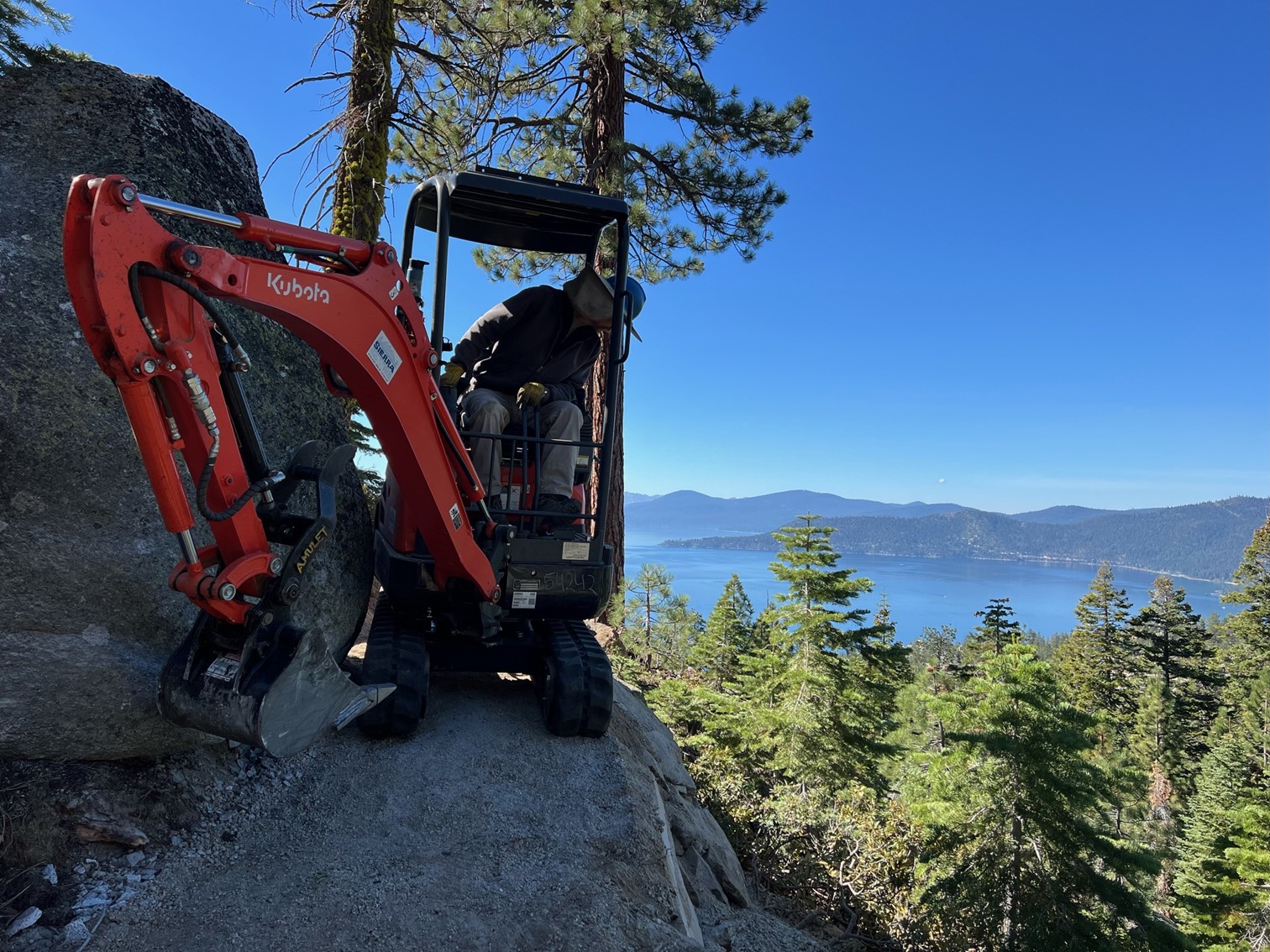
- Tunnel Creek Backcountry Trail Construction: The Nevada Division of State Parks is overseeing the construction of approximately 1.7 miles of natural surface, sustainable multi-use trail in the Tunnel Creek section of the Lake Tahoe Nevada State Park. The goal of the project is to reduce multi-user conflicts on the nearby Tunnel Creek Road, which is the primary access point from Incline Village to the backcountry of Spooner Lake and Backcountry State Park. Trail construction is planned to be completed in Summer 2026.
- SR 28 Spooner Mobility Hub and AIS Inspection Station: NV-LTLP funding is contributing to this project which includes design and construction of a transit mobility hub with 250 parking spaces and restrooms, an AIS inspection station, 0.5 miles of multi-use path and a pedestrian crossing from Spooner State Park to the junction of SR28 and US50 adjacent to transit mobility hub. (2026) http://parks.nv.gov/
Education and Community Outreach
- Marlette Virtual Nature Trail: The Division of Natural Heritage used NV-LTLP funds to create a virtual interpretive nature trail with over 20 points of interest along existing trails from Spooner Lake to Tunnel Creek. The virtual trail includes photos, videos in English and Spanish, and audio links highlighting plants, animals, geology, and human history around Tahoe, with the aim of increasing natural resource knowledge and advocacy among trail users. (2023)
- Lake Tahoe Ambassador Program: Sierra Nevada Alliance enacted this education and outreach project to train and place AmeriCorps volunteers (Ambassadors) in seasonal jobs at highly visited Tahoe locations within Nevada State Parks, where they assisted with park maintenance, engaged with park visitors, provided environmental education using the tenets of the Take Care campaign. (2023) https://sierranevadaalliance.org/
The easiest way to get involved is to purchase a plate through the Nevada DMV. Once purchased, you may be able to participate in the Tahoe Fund's Plate for Powder Program.